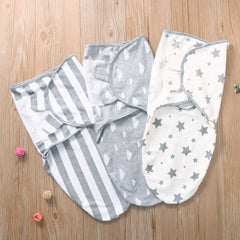
Baby Sleep Sack TOG Ratings Explained for New Zealand Homes
This article is general information about how sleep sacks work. It is not medical or safe-sleep advice. For guidance specific to your baby, talk to your midwife, Plunket nurse, or GP, and follow current New Zealand safe sleep guidance.
Why a Sleep Sack Instead of a Blanket
The appeal is simple. A loose blanket gets kicked off at 2am, and then either the baby is cold or it ends up somewhere it should not be. A sleep sack is worn, so it cannot be kicked off and it cannot move around the cot.
That is the whole idea. Everything else is detail about getting the warmth right.
What TOG Actually Means
TOG is a measure of thermal insulation. Higher TOG means more warmth. It is not a safety rating and it is not a temperature rating. It only tells you how much insulation the fabric provides.
The commonly published ranges are roughly:
- 0.2 to 0.5 TOG for warm rooms, broadly above 24C
- 1.0 TOG for moderate rooms, broadly 20 to 24C
- 2.5 TOG for cooler rooms, broadly 16 to 20C
Treat those as starting points, not rules. What your baby wears underneath changes the equation as much as the sack itself does, and babies vary.
The New Zealand Problem
Most TOG guidance is written for houses that hold a steady temperature. A lot of New Zealand housing does not.
An uninsulated or partly insulated home can sit at a comfortable 20C at 9pm and drop into single digits by 4am. That is a genuinely different situation from a well-insulated home where the overnight swing is two or three degrees, and it is why copying a UK or Australian TOG chart straight off the internet can leave you underdressing or overdressing your baby.
Two practical consequences:
Measure the room, not the forecast. A cheap room thermometer in the nursery tells you more than any chart. Check it at the coldest point of the night, not at bedtime.
Adjust the layer underneath, not the sack. It is easier and cheaper to change what the baby wears inside the sack than to own four sacks in four TOGs. A long-sleeved cotton bodysuit under a mid-weight sack covers a wide range.
How to Tell if the Warmth Is Right
The widely used check is to feel the chest or the back of the neck. It should feel comfortably warm, not hot and not clammy.
Hands and feet are not a reliable guide. Babies often have cool hands and feet while being perfectly warm through the body. Judging by the hands is the most common reason people over-layer.
Signs of overheating are worth knowing and worth taking seriously: sweating, damp hair, flushed skin, breathing faster than usual. If you see those, remove a layer. If you are concerned, get advice from a health professional rather than guessing.
Fit Matters as Much as Warmth
Two things to check on any sleep sack.
The neck and arm openings should be snug. Snug enough that the baby cannot slip down inside the sack. This is the single most important fit check and it is worth doing properly with the baby in it.
The body should be roomy. Legs and hips need to move freely. A sack that restricts leg movement is the wrong shape, regardless of how well the neck fits.
Sizing is generally by length and weight rather than age, and age-based sizing across brands is inconsistent. Go by the measurements.
Breathable Cotton, and Why It Matters More Here
In a house with a large overnight temperature swing, breathability does more work than raw insulation. A breathable natural fibre lets moisture move away from the skin as conditions change through the night, which is a large part of why a baby wakes up uncomfortable in a synthetic sack that is technically the right TOG.
Cotton also washes well and keeps washing well, which matters for something that will go through the machine constantly.
The Short Version
Put a thermometer in the room. Pick the sack weight from the actual overnight low, not the evening temperature. Adjust the layer underneath rather than buying four sacks. Check the fit at the neck and arms. Feel the chest, not the hands.
And check current New Zealand safe sleep guidance with your midwife or Plunket nurse, because that is the part no blog post should be your source for.
See our breathable cotton sleep sack. Tracked delivery across New Zealand, 30-day change-of-mind returns.